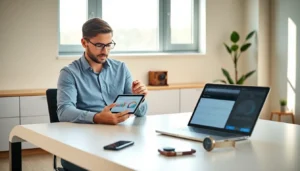

Technology in life shapes how people work, communicate, and spend their free time. From smartphones that keep families connected across continents to apps that track health goals, digital tools have become essential. But this integration comes with trade-offs. Screen time competes with face-to-face conversations. Notifications interrupt deep focus. The same devices that boost productivity can also fuel anxiety and sleep problems.
This article examines technology in life from multiple angles. It explores how digital tools improve daily routines, identifies the hidden costs of constant connectivity, and offers practical strategies for building a healthier relationship with devices. The goal isn’t to reject technology, it’s to use it with intention.
Table of Contents
ToggleKey Takeaways
- Technology in life offers measurable benefits like improved healthcare monitoring, instant global communication, and access to educational resources previously unavailable.
- Heavy screen use carries hidden costs including disrupted sleep, shortened attention spans, and reduced relationship satisfaction from constant digital distraction.
- Intentional use is the key to balance—ask yourself what you need to accomplish before picking up a device to interrupt automatic habits.
- Create physical boundaries by charging phones outside the bedroom and designating screen-free zones to reduce reflexive checking.
- Prioritize nature and face-to-face connection as essential counterweights to technology in life, since no app can replicate the cognitive benefits of a 20-minute outdoor walk.
- Audit your screen time weekly and delete apps that consume hours without adding real value to your day.
How Technology Enhances Daily Living
Technology in life delivers real, measurable benefits that previous generations couldn’t imagine. Consider healthcare: wearable devices now monitor heart rates, detect irregular rhythms, and alert users to potential problems before symptoms appear. A 2023 study published in the Journal of the American Heart Association found that smartwatch ECG features helped identify atrial fibrillation in users who had no prior diagnosis.
Communication has transformed completely. Video calls let grandparents watch grandchildren take first steps from thousands of miles away. Remote work technology allows parents to skip long commutes and attend school events. During the COVID-19 pandemic, technology in life became a lifeline, keeping businesses running and relationships intact when physical gatherings stopped.
Education benefits significantly from technology in life. Students access entire university libraries from their phones. Language learning apps use AI to personalize lessons. Khan Academy and similar platforms offer free instruction in subjects ranging from algebra to art history. A child in a rural area now has access to the same educational resources as one in a major city.
Daily tasks that once consumed hours now take minutes. Online banking eliminates trips to branches. Grocery delivery services save shopping time. GPS navigation prevents wrong turns and reduces travel stress. Smart home devices adjust thermostats, lock doors, and turn off lights, small conveniences that add up to significant time savings.
Technology in life also creates economic opportunities. Freelancers find clients globally through platforms like Upwork and Fiverr. Small business owners reach customers through social media without expensive advertising. The gig economy, for all its flaws, provides flexible income streams that didn’t exist two decades ago.
The Hidden Costs of Constant Connectivity
The benefits of technology in life come with significant downsides that often go unnoticed until they cause real harm. Mental health research paints a concerning picture. A 2022 study from the American Psychological Association linked heavy social media use to increased rates of depression and anxiety among teenagers. The comparison culture these platforms encourage can erode self-esteem.
Sleep quality suffers when technology in life extends into bedtime hours. Blue light from screens suppresses melatonin production. The stimulation from scrolling keeps brains active when they should wind down. Nearly 90% of Americans use electronic devices within an hour of sleep, according to the National Sleep Foundation. Poor sleep then cascades into reduced productivity, weakened immunity, and mood problems.
Attention spans have shortened. The average human attention span dropped from 12 seconds in 2000 to 8 seconds in 2015, per a Microsoft study. Technology in life rewards quick dopamine hits, a new notification, a fresh post, another video. Deep focus becomes harder when brains expect constant stimulation.
Relationships suffer in subtle ways. Partners scroll phones during dinner. Parents check emails while children talk about their days. These micro-disconnections accumulate. Research from Baylor University found that “phubbing” (phone snubbing) correlates with lower relationship satisfaction and higher levels of depression.
Privacy erosion represents another hidden cost of technology in life. Apps track location data. Browsers record search histories. Smart speakers listen for wake words, and sometimes record conversations by mistake. This surveillance happens quietly, often buried in terms of service that users accept without reading.
Finding Balance Between Digital and Real-World Experiences
The question isn’t whether to use technology in life, that ship has sailed. The real challenge lies in finding a sustainable balance that preserves benefits while minimizing harm.
Intentional use separates healthy technology habits from problematic ones. This means asking simple questions before picking up a device: What do I need to accomplish? How long will this take? Am I using this tool, or is it using me? These questions sound basic, but they interrupt automatic behavior patterns.
Nature provides a necessary counterweight to technology in life. Studies consistently show that time outdoors reduces cortisol levels, improves mood, and restores attention. A 20-minute walk in a park offers cognitive benefits that no app can replicate. The Japanese practice of “forest bathing” (shinrin-yoku) has measurable effects on stress hormones and blood pressure.
Human connection requires protection from digital intrusion. Families benefit from device-free meals. Couples strengthen bonds through activities that don’t involve screens. Children develop social skills through playground interactions that video games can’t teach. Technology in life should enhance relationships, not replace them.
Physical activity deserves dedicated time away from devices. While fitness trackers can motivate exercise, the activity itself often works better without constant data monitoring. Sometimes a run is just a run, not a performance to optimize.
Practical Strategies for Healthier Technology Use
Theory matters less than action. Here are specific strategies that research supports for managing technology in life more effectively.
Create physical boundaries. Charge phones outside the bedroom. Designate specific rooms as screen-free zones. Physical distance reduces the temptation to check devices reflexively. One study found that simply having a smartphone visible on a desk reduced cognitive capacity, even when turned off.
Schedule technology breaks. The Pomodoro Technique works: 25 minutes of focused work followed by a 5-minute break. During work blocks, silence notifications. Technology in life becomes less intrusive when users control when they engage rather than responding to every ping.
Audit app usage. Both iOS and Android offer screen time tracking. These reports often surprise users. Seeing that 3 hours daily go to social media can motivate change. Delete apps that consume time without adding value. Unsubscribe from email lists that clutter inboxes.
Establish evening routines. Stop screen use 30-60 minutes before bed. Replace scrolling with reading physical books, stretching, or conversation. Blue light glasses help if evening screen use is unavoidable, though eliminating screens works better.
Practice single-tasking. Multitasking is a myth, brains switch between tasks rather than handling them simultaneously. Choose one activity and complete it before moving to another. Technology in life becomes less overwhelming when users resist the urge to juggle multiple inputs.
Model good behavior. Parents who want children to have healthy technology habits must demonstrate those habits themselves. Kids notice when adults prioritize phones over presence.