
Technology in life trends 2026 will reshape how people work, stay healthy, and interact with the world around them. From smarter AI assistants to wearable health monitors, the coming year promises significant shifts in daily routines. These changes won’t feel like science fiction. They’ll show up in living rooms, on wrists, and inside the apps people use every day. This article breaks down the key technology in life trends 2026 that consumers and businesses should watch. Each section covers a specific area, AI personalization, ambient computing, health wearables, and sustainable tech, along with practical ways to prepare. The goal is simple: help readers understand what’s coming and how to make the most of it.
Table of Contents
ToggleKey Takeaways
- Technology in life trends 2026 will transform daily routines through personalized AI, ambient computing, health wearables, and sustainable tech.
- AI assistants will anticipate user needs by learning individual preferences, schedules, and communication styles—while keeping data private through local processing.
- Ambient computing will create seamless experiences where smart devices automatically adjust to your presence without voice commands or app interactions.
- Health wearables in 2026 will monitor blood glucose, hydration, stress, and sleep quality, putting clinical-grade health tracking directly on your wrist.
- Sustainability becomes a core product feature as manufacturers design devices with longer lifespans, modular components, and recycling programs.
- Prepare for these technology shifts by auditing your devices, prioritizing interoperability, strengthening privacy habits, and supporting sustainable brands.
Artificial Intelligence Becomes More Personal
AI tools in 2026 will know users better than ever before. Instead of generic responses, these systems will adapt to individual preferences, schedules, and communication styles. Think of an AI assistant that learns a person’s morning routine and adjusts smart home settings without being asked.
This shift toward personalized AI represents one of the biggest technology in life trends 2026 has to offer. Large language models are getting smaller and more efficient, which means they can run directly on phones and laptops. This local processing keeps data private while delivering faster results.
Consumers will notice these improvements in several areas:
- Email and messaging: AI will draft replies that match a user’s tone and vocabulary
- Shopping: Product recommendations will reflect actual needs, not just browsing history
- Entertainment: Streaming services will create custom playlists and viewing schedules based on mood and time of day
Businesses are also investing heavily in personalized AI. Customer service chatbots will remember past conversations and preferences. Marketing campaigns will adjust messaging in real time based on individual responses.
The key difference in 2026? AI won’t just respond, it will anticipate. And that anticipation will feel less creepy and more helpful as users gain greater control over their data and privacy settings.
The Rise of Ambient Computing
Ambient computing refers to technology that works in the background without requiring direct interaction. Screens fade into the environment. Devices communicate with each other automatically. The technology in life trends 2026 points strongly toward this seamless experience.
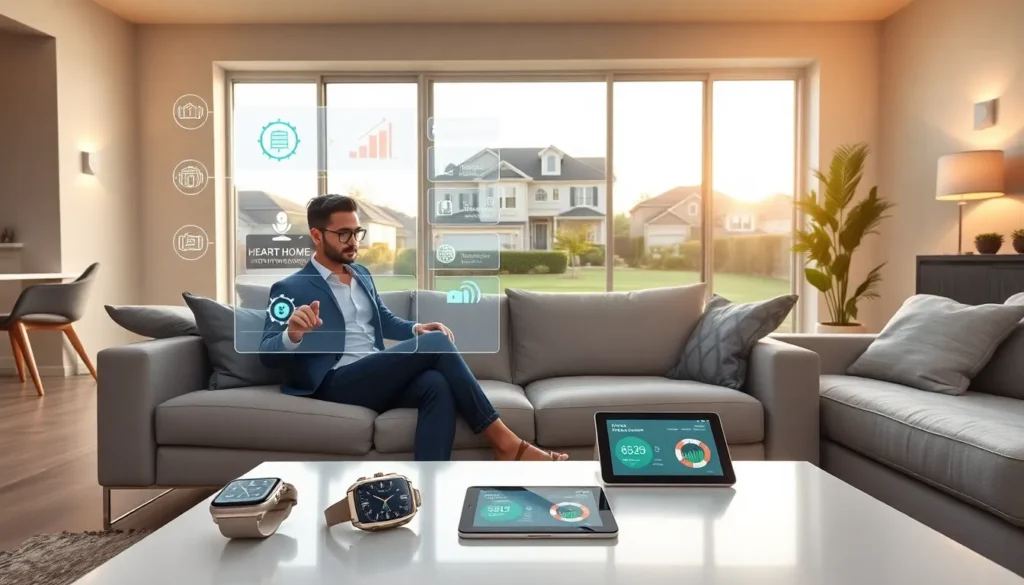
Smart homes offer the clearest example. In 2026, a house might adjust lighting, temperature, and music based on who enters a room. Sensors detect presence and activity. No voice commands needed. No app to open.
This ambient approach extends beyond homes:
- Offices: Meeting rooms will configure themselves based on calendar entries and attendee preferences
- Retail stores: Shelves will track inventory and alert staff when items run low
- Vehicles: Cars will sync with home systems, adjusting departure times based on traffic and appointments
The underlying technology combines edge computing, improved sensors, and better wireless connectivity. Wi-Fi 7 and expanded 5G networks will support the constant data exchange these systems require.
Privacy remains a valid concern. Ambient computing collects data continuously, even when users aren’t actively engaging with devices. Companies are responding with clearer consent options and on-device processing that limits cloud exposure.
For many people, ambient computing will simply make life smoother. Fewer decisions. Less friction. Technology that helps without demanding attention.
Health Tech Moves Into Everyday Wearables
Health monitoring is leaving the doctor’s office and landing on wrists, fingers, and clothing. This shift stands out among the most impactful technology in life trends 2026. Wearables now track far more than steps and heart rate.
New devices in 2026 will monitor:
- Blood glucose levels: Non-invasive sensors are reaching consumer markets, helping diabetics and health-conscious users alike
- Hydration status: Smart rings and patches will alert users when they need to drink water
- Stress indicators: Heart rate variability and skin conductance measurements will provide real-time stress scores
- Sleep quality: Advanced sleep trackers will analyze breathing patterns and sleep stages with clinical-grade accuracy
The data these devices collect feeds into AI-powered health apps. These apps spot patterns humans might miss. They can flag early warning signs and suggest lifestyle changes before problems develop.
Insurance companies and employers are paying attention. Some offer discounts or incentives for users who share wearable data. This raises questions about data ownership and potential discrimination, which regulators are starting to address.
Telehealth integration also improves in 2026. Doctors can review wearable data before appointments, making visits more productive. Some conditions may be diagnosed and monitored entirely through remote devices.
The bottom line: health technology in life trends 2026 puts more power in consumers’ hands. People can track their well-being with tools that were once reserved for medical professionals.
Sustainability-Driven Innovation Takes Center Stage
Environmental concerns are pushing technology companies toward greener solutions. This pressure creates one of the defining technology in life trends 2026: sustainability as a product feature, not just a marketing claim.
Consumer electronics will lead the charge. Manufacturers are designing devices for longer lifespans and easier repairs. The European Union’s push for replaceable batteries and standardized chargers has influenced global product design. By 2026, more phones, laptops, and tablets will come with modular components users can swap themselves.
Energy efficiency improvements appear across categories:
- Data centers: New cooling technologies and renewable energy commitments reduce the carbon footprint of cloud services
- Smart home devices: Low-power chips extend battery life and reduce standby energy consumption
- Electric vehicles: Battery recycling programs and improved range make EVs more practical for mainstream buyers
Circular economy models are gaining traction. Tech companies are launching buyback programs and refurbishment services. Some offer subscriptions where users receive upgraded devices while old ones get recycled or resold.
Carbon tracking apps represent another trend. These tools calculate personal or household emissions based on purchases, travel, and energy use. They suggest alternatives and help users set reduction goals.
Investors and consumers both reward sustainability efforts. Companies that ignore environmental impact risk losing market share to competitors who prioritize it. Technology in life trends 2026 shows that green innovation isn’t optional, it’s expected.
How to Prepare for These Technology Shifts
Staying ahead of technology in life trends 2026 doesn’t require major investments or technical expertise. A few practical steps can help anyone adapt to the changes ahead.
Audit current devices and services. Take stock of the technology already in use. Which devices are approaching end-of-life? Which subscriptions no longer provide value? This review helps prioritize upgrades and avoid redundant purchases.
Prioritize interoperability. When buying new devices, check compatibility with existing systems. The Matter smart home standard, for example, ensures products from different brands work together. Choosing interoperable tech avoids vendor lock-in and supports ambient computing goals.
Strengthen privacy habits. As AI and ambient computing collect more data, strong privacy practices become essential. Review app permissions regularly. Use password managers. Enable two-factor authentication everywhere possible.
Invest in digital literacy. Understanding how AI makes decisions, and where it fails, helps users get better results. Free courses on AI basics are available from universities and tech companies. Even a few hours of learning can make a difference.
Start small with health wearables. Anyone curious about health tech doesn’t need the most expensive device. Entry-level fitness trackers provide useful data. Users can upgrade as their needs and interests grow.
Support sustainable brands. When shopping for technology, consider environmental commitments. Look for companies with repair programs, recycled materials, and transparent supply chains.
These steps prepare individuals and families for the technology in life trends 2026 will bring. The goal isn’t to chase every new gadget. It’s to adopt changes that genuinely improve daily life.