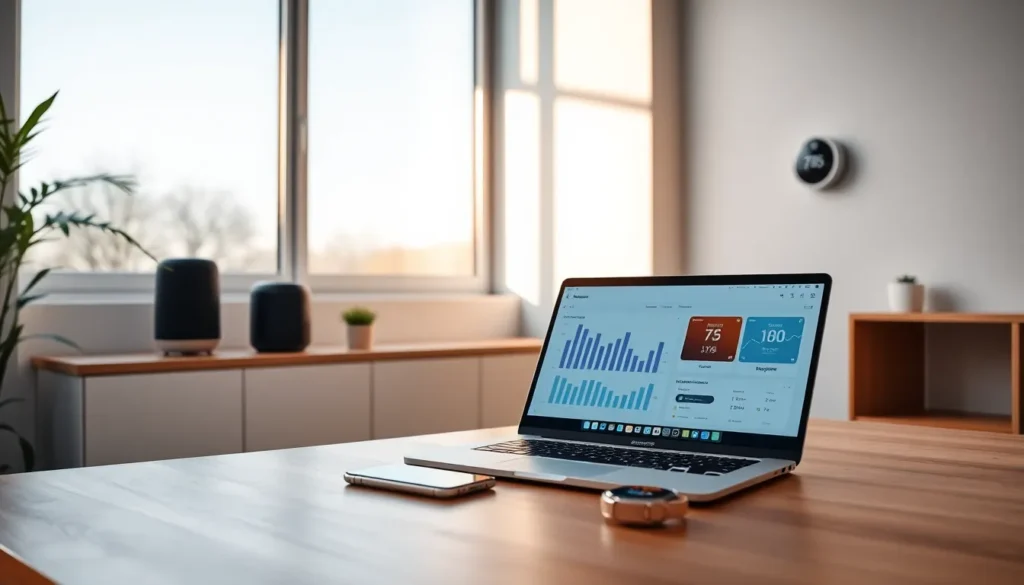

Technology in life tools has changed how people manage their daily routines. From smart thermostats to fitness trackers, modern devices save time, reduce stress, and improve quality of life. These tools handle tasks that once required manual effort or constant attention.
The shift toward tech-enabled living isn’t slowing down. In 2024, the global smart home market reached over $130 billion, and personal productivity apps saw record downloads. People want solutions that work seamlessly with their schedules. This article explores the essential technology in life tools that make everyday living easier, healthier, and more efficient.
Table of Contents
ToggleKey Takeaways
- Technology in life tools—from smart home devices to productivity apps—automate daily tasks, saving time and reducing stress.
- The best tech tools integrate seamlessly into routines and work in the background without demanding constant attention.
- Personal productivity tools like task managers, calendar apps, and focus trackers can add hours back to your week.
- Smart home ecosystems combining voice assistants, automated cleaning devices, and smart thermostats simplify household management.
- Health and wellness technology, including wearable fitness trackers and meditation apps, empowers users to take control of their well-being with data-driven insights.
- Start small when adopting new technology in life tools—master one or two before expanding to avoid overwhelm.
What Are Technology-Enabled Life Tools?
Technology-enabled life tools are devices, apps, and systems designed to automate or simplify everyday tasks. They range from smartphone applications to connected home appliances. The common thread is their purpose: they help users accomplish more with less effort.
These technology in life tools fall into several categories:
- Communication tools: Video conferencing apps, messaging platforms, and email clients
- Organization tools: Calendar apps, task managers, and note-taking software
- Automation tools: Smart plugs, robotic vacuums, and programmable thermostats
- Health tools: Wearable fitness devices, sleep trackers, and meditation apps
What makes these tools effective is their integration into daily life. A smart speaker doesn’t just play music, it sets reminders, controls lights, and answers questions. A fitness watch doesn’t just tell time, it tracks steps, monitors heart rate, and sends workout prompts.
The best technology in life tools disappear into the background. They work without demanding constant attention. Users set preferences once, and the tools handle the rest.
Essential Tech Tools for Personal Productivity
Personal productivity technology in life tools helps people manage time, organize projects, and stay focused. The right combination of tools can add hours back to the week.
Task Management Apps
Apps like Todoist, Asana, and Microsoft To Do let users create task lists, set deadlines, and track progress. They sync across devices, so a task added on a phone appears on a laptop instantly. Many integrate with calendars and email for seamless workflow.
Calendar and Scheduling Tools
Google Calendar, Outlook, and Calendly eliminate scheduling headaches. They send automatic reminders, allow shared access, and suggest optimal meeting times. Some tools use AI to find gaps in schedules and block focus time.
Note-Taking and Documentation
Notion, Evernote, and OneNote store ideas, meeting notes, and reference materials in one place. Users can search handwritten notes, clip web articles, and collaborate with teams. These technology in life tools replace scattered notebooks with organized digital systems.
Focus and Time-Tracking Apps
Forest, RescueTime, and Toggl help users understand where their time goes. They block distracting websites, track productive hours, and provide weekly reports. Data-driven insights reveal habits that waste time, and habits worth keeping.
The key is choosing tools that match specific needs. Someone managing a large team needs different features than a freelancer working solo.
Smart Home Devices That Simplify Daily Tasks
Smart home technology in life tools automates household chores and routines. These devices communicate with each other, creating systems that respond to voice commands, schedules, or sensors.
Voice Assistants and Smart Speakers
Amazon Echo, Google Nest, and Apple HomePod serve as central hubs. They control other smart devices, answer questions, play music, and manage shopping lists. A simple voice command can dim lights, lock doors, or start the coffee maker.
Automated Cleaning Devices
Robotic vacuums from iRobot, Roborock, and Ecovacs clean floors on schedule. Some models empty their own dustbins and avoid obstacles with precision. Robotic mops handle hard floors, while window-cleaning robots tackle glass surfaces.
Smart Thermostats and Climate Control
Nest, Ecobee, and Honeywell thermostats learn household patterns and adjust temperatures automatically. They reduce energy bills by lowering heat when no one is home. Integration with weather forecasts helps optimize comfort and efficiency.
Security and Monitoring Systems
Ring doorbells, Arlo cameras, and August smart locks provide security without monthly monitoring fees. Users receive alerts when motion is detected and can check live feeds from anywhere. These technology in life tools offer peace of mind whether homeowners are at work or on vacation.
Smart home devices work best as an ecosystem. A morning routine might automatically turn on lights, start coffee, and read the day’s calendar, all triggered by a single alarm.
Health and Wellness Technology for Better Living
Health-focused technology in life tools empowers people to take control of their physical and mental well-being. These devices and apps provide data that was once available only through doctor visits.
Wearable Fitness Trackers
Apple Watch, Fitbit, and Garmin devices track steps, heart rate, sleep quality, and workout intensity. They detect irregular heart rhythms and remind users to move after long periods of sitting. Some models include ECG capabilities and blood oxygen monitoring.
Sleep Technology
Oura Ring, Whoop, and sleep-tracking apps analyze sleep stages and provide actionable insights. Smart mattresses from Eight Sleep and Sleep Number adjust temperature and firmness throughout the night. Better sleep data leads to better sleep habits.
Mental Health and Meditation Apps
Calm, Headspace, and Waking Up offer guided meditations, breathing exercises, and sleep stories. Therapy apps like BetterHelp and Talkspace connect users with licensed professionals. These technology in life tools make mental health support more accessible than ever.
Nutrition and Meal Planning
MyFitnessPal, Cronometer, and Yazio track calories and nutrients. Meal planning apps suggest recipes based on dietary preferences and generate shopping lists. Smart kitchen scales measure portions accurately for precise tracking.
The value of health technology lies in consistent use. A fitness tracker worn daily provides meaningful trends. One worn occasionally offers only snapshots.
Choosing the Right Tech Tools for Your Lifestyle
Not every technology in life tools solution fits every person. The best approach starts with honest assessment of current pain points.
Identify Your Priorities
Ask specific questions: Where does time get wasted? What tasks feel repetitive? Which areas of life need improvement, work, home, health, or all three? The answers point toward the right categories of tools.
Start Small and Expand
Adopting too many new tools at once leads to overwhelm and abandonment. Pick one or two technology in life tools that address the biggest frustrations. Master those before adding more to the mix.
Check Compatibility
Devices and apps work best when they integrate with existing systems. iPhone users benefit from Apple’s ecosystem. Android and Windows users might prefer Google’s suite. Check whether new tools sync with current calendars, email, and other software.
Consider Long-Term Costs
Many tools offer free versions with limited features. Subscriptions add up quickly. Calculate yearly costs before committing to premium plans. Sometimes the free version does everything needed.
Read Recent Reviews
Technology changes fast. Reviews from two years ago may describe products that have improved, or declined. Check current user feedback and look for patterns in complaints. A single negative review means little: dozens suggest real problems.
The goal is building a personal system that reduces friction. The right technology in life tools should feel helpful, not burdensome.