
Technology in life tips can transform how people manage their days. From waking up to winding down, the right tools make routines smoother and more efficient. Smart devices, apps, and digital systems now handle tasks that once required significant time and mental energy.
The key lies in using technology with intention. Random gadgets and apps create clutter. Strategic choices create clarity. This guide covers practical ways to integrate technology into daily life, without letting screens take over. Readers will learn how to automate morning tasks, organize their schedules, improve their health habits, and maintain balance with digital boundaries.
Table of Contents
ToggleKey Takeaways
- Smart devices like speakers, thermostats, and automated lighting can streamline your morning routine and reduce daily friction.
- Productivity apps such as Todoist, Google Calendar, and Notion keep tasks organized—but choosing fewer tools and using them consistently works best.
- Technology in life tips for health include fitness trackers, meditation apps, and nutrition logging to help you spot patterns and improve habits.
- Screen time tracking and app limits built into your phone create awareness and help you regain control over digital distractions.
- Setting device-free zones in bedrooms and at dining tables protects sleep quality and strengthens personal relationships.
- Strategic technology use with clear boundaries transforms daily routines without letting screens take over your life.
Streamline Your Morning With Smart Devices
Mornings set the tone for everything that follows. Smart devices can eliminate friction from those first waking hours.
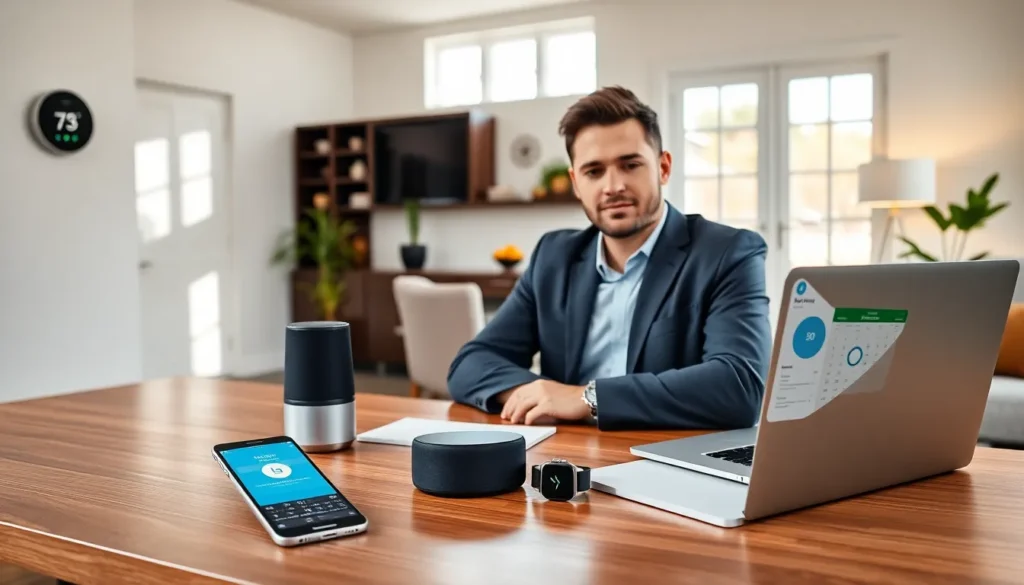
Smart speakers like Amazon Echo or Google Nest serve as command centers. A simple voice request starts a coffee maker, reads the weather forecast, and plays a morning playlist. No fumbling with multiple apps or buttons required.
Smart thermostats learn household patterns. They adjust temperatures before alarm clocks ring, so bedrooms reach comfortable levels automatically. Brands like Nest and Ecobee offer scheduling features that save energy while improving comfort.
Automated lighting systems deserve attention too. Philips Hue and similar products can simulate sunrise, gradually brightening rooms to support natural wake cycles. This beats harsh overhead lights at 6 AM.
Technology in life tips often focus on big changes, but small automations add up. A robot vacuum that runs while someone showers means one less chore. A smart plug that starts the kettle at a set time saves several minutes.
The morning routine becomes predictable and calm when technology handles repetitive tasks. Users report feeling less rushed and more prepared for their days.
Use Productivity Apps to Stay Organized
Paper planners work for some people. But productivity apps offer features that notebooks simply cannot match.
Task management tools like Todoist, Asana, and Microsoft To Do help users capture everything in one place. They send reminders, set deadlines, and allow sorting by priority. Nothing slips through the cracks when every commitment lives in a searchable system.
Calendar apps remain essential technology in life tips. Google Calendar and Apple Calendar sync across devices instantly. Shared calendars let families and teams coordinate without constant text messages. Color-coding helps users spot conflicts at a glance.
Note-taking apps have improved dramatically. Notion combines notes, databases, and project boards in one platform. Evernote excels at capturing ideas quickly. Both support attachments, links, and search functions that make retrieval fast.
Time-blocking deserves special mention. Apps like Clockify and Toggl track how hours actually get spent. Many users discover they waste more time than expected on low-value activities. Data creates awareness, and awareness drives better choices.
The best productivity systems stay simple. Adding too many apps creates its own chaos. Most people need a task manager, a calendar, and perhaps one note-taking tool. Technology in life tips emphasize choosing fewer tools and using them consistently.
Integrations matter as well. Zapier and IFTTT connect different apps automatically. A new email from a specific sender can create a task. A calendar event can trigger a reminder. These automations reduce manual data entry.
Leverage Technology for Health and Wellness
Health tracking has become accessible to everyone with a smartphone or wearable device. These tools provide insights that doctors once needed expensive equipment to gather.
Fitness trackers and smartwatches monitor steps, heart rate, sleep quality, and exercise intensity. Apple Watch, Fitbit, and Garmin devices sync data to apps that show trends over weeks and months. Users can spot patterns, like poor sleep after late caffeine, and adjust habits accordingly.
Meditation apps have gained popularity for good reason. Headspace and Calm guide users through breathing exercises and mindfulness sessions. Even five minutes daily can reduce stress and improve focus. The apps track streaks, which motivates continued practice.
Nutrition tracking apps like MyFitnessPal and Cronometer make calorie and nutrient logging straightforward. Barcode scanning speeds up food entry. Users see exactly what they consume, which often surprises them.
Technology in life tips for wellness extend to mental health resources. Therapy apps like BetterHelp and Talkspace connect users with licensed professionals through video or text. This removes barriers for people who cannot easily access in-person care.
Sleep technology has advanced significantly. Smart mattresses track movement and breathing. White noise apps and smart speakers play calming sounds. Blue light filters on phones and computers reduce eye strain before bed.
The data from these tools only helps if users review it. Weekly check-ins with health apps reveal what’s working and what needs adjustment. Technology in life tips succeed when they lead to actual behavior change.
Set Boundaries for Healthy Screen Time
Technology improves life when used deliberately. It damages life when it consumes attention without purpose.
Screen time tracking features come built into iOS and Android. They show exactly how many hours go to each app. Many users feel shocked when they see social media numbers for the first time. Awareness creates the starting point for change.
App limits provide guardrails. Users can set daily caps on specific apps. Once the limit hits, the app locks. Yes, overrides exist, but the friction helps many people pause and reconsider.
Notification management matters enormously. Every buzz and ping interrupts focus. Turning off non-essential notifications removes constant distractions. Most messages can wait. Batch-checking email and social media at set times works better than constant monitoring.
Technology in life tips should include device-free zones. Bedrooms without phones improve sleep quality. Dining tables without screens improve conversations. These boundaries protect relationships and rest.
“Do Not Disturb” modes deserve daily use. Scheduled quiet hours block calls and alerts during sleep, meals, or focused work. Important contacts can be allowed through for emergencies.
Digital minimalism has become a movement for good reason. Deleting unused apps clears mental clutter. Unsubscribing from email lists reduces inbox noise. Unfollowing accounts that trigger negative emotions improves the online experience.
Balance requires intention. Technology in life tips work best when users decide what they want from their devices, then set systems to support those goals.