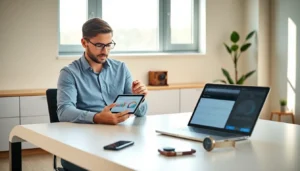
Technology in life ideas shape how people live, work, and connect every day. From smart home devices to productivity apps, digital tools offer countless ways to simplify tasks and improve quality of life. The key lies in knowing which innovations deliver real value, and which ones just add noise.
This article explores practical technology in life ideas that anyone can adopt. It covers daily routine improvements, home and work applications, healthy tech habits, and emerging trends worth watching. Whether someone wants to save time, boost productivity, or simply live smarter, these ideas provide a solid starting point.
Table of Contents
ToggleKey Takeaways
- Technology in life ideas work best when they simplify daily routines and fade into the background, removing small annoyances so you can focus on what matters.
- Smart home devices like voice assistants, smart thermostats, and robot vacuums can save hours weekly and reduce energy bills by 10-15%.
- Productivity tools such as project management apps, cloud storage, and time-tracking software help organize tasks and reveal where your hours actually go.
- Setting screen time limits and turning off non-essential notifications helps balance technology use and reduces the constant pull toward distractions.
- Emerging trends like AI assistants, wearable health monitors, and augmented reality apps are making technology in life ideas more practical and accessible than ever.
- Regular digital detox periods create space for face-to-face connections and mental rest, helping you use technology with intention rather than habit.
How Technology Transforms Daily Routines
Morning alarms no longer just beep. Smart devices now adjust wake-up times based on sleep cycles, gradually brighten lights to simulate sunrise, and even start the coffee maker. These small automations add up to smoother mornings with less friction.
Technology in life ideas extend throughout the day in ways many people take for granted. Voice assistants handle reminders, calendar updates, and grocery lists without requiring a single tap. Smart thermostats learn household schedules and adjust temperatures automatically, cutting energy bills by 10-15% on average.
Commuting has changed too. Navigation apps predict traffic patterns and suggest alternate routes in real time. Electric scooter and bike-sharing apps provide last-mile transportation options that didn’t exist a decade ago. Even public transit riders benefit from apps that show live arrival times and crowding levels.
Evening routines get a tech upgrade as well. Streaming services use algorithms to recommend shows based on viewing history. Smart lighting systems dim automatically as bedtime approaches, supporting natural sleep rhythms. Fitness trackers summarize daily activity and encourage users to hit movement goals before the day ends.
The transformation isn’t about adding complexity. It’s about removing small annoyances so people can focus on what matters. Technology in life ideas work best when they fade into the background and simply make things easier.
Practical Tech Ideas for Home and Work
Smart Home Essentials
Smart plugs cost under $20 and turn any device into a connected one. They let users control lamps, fans, or space heaters from a phone or voice command. Robot vacuums handle floor cleaning on a schedule, freeing up hours each week.
Video doorbells provide security and convenience. They show who’s at the door without getting up and record footage when motion is detected. Smart locks eliminate fumbling for keys and allow temporary access codes for guests or delivery drivers.
Smart speakers serve as the hub for many technology in life ideas. They control other devices, play music, answer questions, and make hands-free calls. Placing one in the kitchen alone can change how people cook, set timers, and manage recipes.
Productivity Tools for Work
Project management apps like Trello, Asana, or Notion keep tasks organized and visible. Teams can track progress without endless email threads. These tools work for freelancers managing personal projects too.
Cloud storage eliminates the worry of lost files. Services like Google Drive and Dropbox sync documents across devices automatically. Someone can start a document on their laptop and finish it on their phone during lunch.
Time-tracking apps reveal where hours actually go. Many people overestimate their productive time and underestimate distractions. Apps like Toggl or RescueTime provide hard data that drives better habits.
Video conferencing tools have become essential for remote and hybrid work. Features like screen sharing, virtual backgrounds, and recording capabilities make meetings more effective than they were in purely in-person settings.
These technology in life ideas don’t require technical expertise. Most setup processes take minutes, and the ongoing benefits compound over time.
Balancing Technology Use for a Healthier Lifestyle
Technology offers tremendous benefits, but overuse creates real problems. Average screen time exceeds seven hours daily for adults in the United States. That number doesn’t include work-related screens.
Setting boundaries matters. Screen time tracking features on smartphones show exactly which apps consume the most attention. Users can set daily limits that pause distracting apps after a certain threshold. This turns technology into a tool for managing technology, a useful bit of irony.
Notification management makes a significant difference. Most apps default to maximum notifications. Turning off non-essential alerts reduces interruptions and the constant pull toward the phone. Studies show that even seeing a notification, without opening it, breaks concentration.
Physical health benefits from intentional tech use. Fitness apps and wearables encourage movement and track progress over time. Meditation apps like Calm or Headspace guide users through stress reduction techniques. Sleep tracking helps identify patterns that affect rest quality.
Social connections benefit from technology in life ideas too, but only with intention. Video calls maintain relationships across distances. Social media can strengthen bonds when used actively rather than passively scrolling.
The goal isn’t to reject technology. It’s to use it consciously. The best approach treats digital tools like any other tool, helpful when used with purpose, harmful when used without thought.
Digital detox periods help reset habits. Even a few hours away from screens each day creates space for hobbies, face-to-face conversations, and mental rest. Many people report feeling more present and less anxious after establishing regular tech-free windows.
Emerging Tech Trends Worth Exploring
Artificial intelligence tools have moved from science fiction to everyday apps. AI writing assistants help draft emails and documents. Image generators create visuals from text descriptions. These tools don’t replace human creativity, but they speed up routine tasks.
Wearable technology keeps advancing. Beyond fitness trackers, smartwatches now monitor heart rhythms, blood oxygen levels, and even detect falls. Some devices can alert emergency contacts automatically if they sense a problem.
Smart home technology continues to mature. Matter, a new connectivity standard, promises to make devices from different manufacturers work together seamlessly. This solves one of the biggest frustrations in home automation, the fragmented ecosystem.
Augmented reality is finding practical applications. Apps overlay digital information on the real world through smartphone cameras. Furniture retailers let customers visualize how a couch would look in their living room before buying. Navigation apps display directions directly on the street view.
Sustainable technology in life ideas gain traction as environmental awareness grows. Smart energy monitors track electricity usage in real time. Solar-powered chargers and energy-efficient devices reduce environmental impact. Apps help users calculate and offset their carbon footprint.
Health tech innovations democratize medical monitoring. Continuous glucose monitors help diabetics manage their condition. At-home testing kits provide quick results for various health markers. Telehealth services connect patients with doctors without travel.
These trends represent where technology in life ideas are heading. Not every innovation will stick, but staying aware of developments helps people adopt useful tools early.