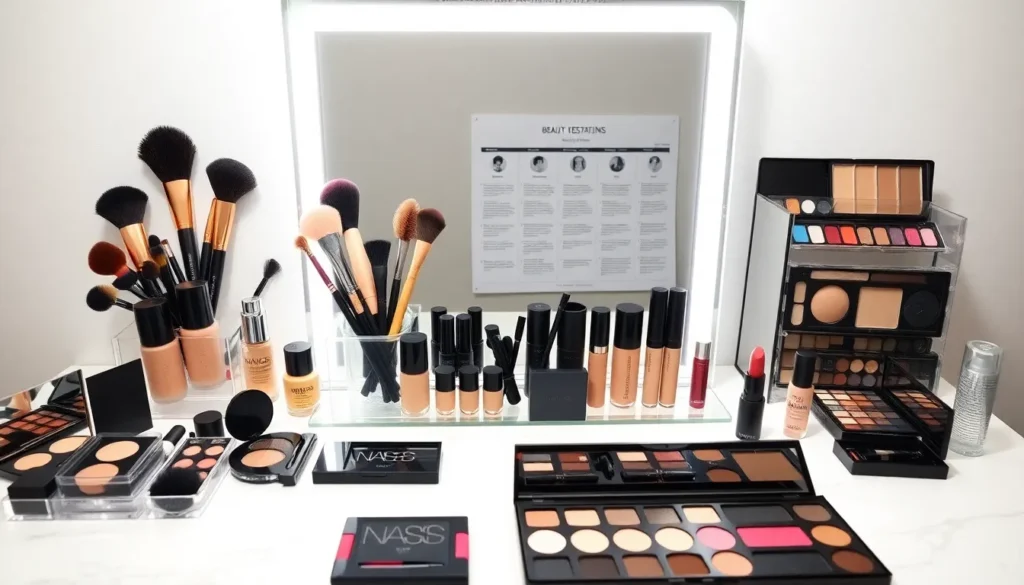

Beauty breakdown techniques give makeup artists and enthusiasts a structured approach to flawless application. These methods break complex looks into manageable steps, making professional results achievable at home. Whether someone wants to perfect their everyday routine or create editorial-worthy looks, understanding these techniques changes everything.
This guide covers the essential beauty breakdown techniques that professionals use daily. From skin preparation to final touches, each section delivers actionable steps that readers can apply immediately.
Table of Contents
ToggleKey Takeaways
- Beauty breakdown techniques divide makeup application into distinct phases—prep, base, features, and finish—for professional-looking results at home.
- Proper skin preparation with cleansing, moisturizing, and priming extends makeup wear by hours and prevents common issues like patchiness.
- Foundation application works best in layers: start sheer, build coverage where needed, and combine brushes, sponges, and fingers for seamless blending.
- Eye makeup becomes manageable when you divide the eye into five sections: lid, crease, outer corner, inner corner, and lash line.
- Setting spray and finishing touches like highlighter, blush, and bronzer take under two minutes but dramatically elevate your final look.
What Are Beauty Breakdown Techniques
Beauty breakdown techniques are systematic methods that divide makeup application into distinct phases. Each phase focuses on a specific area of the face, allowing for precision and control. Professional makeup artists developed these techniques to ensure consistent results across different face shapes, skin types, and lighting conditions.
The concept works like this: instead of applying products randomly, artists follow a logical sequence. They assess the face first, then prep the skin, build the base, define features, and finish with setting products. This approach prevents common mistakes like muddy blending or uneven coverage.
Three core principles define effective beauty breakdown techniques:
- Layering – Products work together when applied in the correct order
- Zoning – Different facial areas require different products and application methods
- Building – Starting light and adding intensity creates natural-looking depth
Anyone can learn beauty breakdown techniques. They don’t require expensive tools or years of training. What they do require is patience and willingness to practice each step until it becomes second nature.
Essential Skin Preparation Methods
Skin preparation determines how well makeup performs throughout the day. Skipping this step leads to patchy foundation, creased concealer, and faster fading. Proper prep takes five minutes but extends makeup wear by hours.
Cleansing and Hydration
Clean skin accepts products better than skin covered in oil or residue. A gentle cleanser removes debris without stripping natural moisture. After cleansing, hydration becomes the priority. Moisturizer creates a smooth canvas and prevents foundation from clinging to dry patches.
For oily skin, a lightweight gel moisturizer works best. Dry skin benefits from richer creams. Combination skin often needs two products, lighter formulas on the T-zone and heavier ones on cheeks.
Priming for Longevity
Primer fills in pores and fine lines while creating grip for foundation. Different primers solve different problems:
- Silicone-based primers blur texture
- Hydrating primers add dewiness
- Mattifying primers control oil
- Color-correcting primers neutralize redness or sallowness
Beauty breakdown techniques emphasize choosing primer based on individual skin concerns. One product doesn’t fit everyone. Testing different formulas helps identify what works for specific skin types.
Allow primer to set for sixty seconds before applying foundation. This waiting period lets the product bond with skin properly.
Step-by-Step Foundation and Complexion Techniques
Foundation application separates amateur makeup from professional work. Beauty breakdown techniques approach complexion in layers, starting sheer and building coverage where needed.
Choosing the Right Foundation
Formula matters as much as shade. Liquid foundations suit most skin types. Powder foundations work well for oily skin. Cream foundations provide maximum coverage for special occasions.
Shade matching requires testing on the jawline in natural light. The correct shade disappears into skin without leaving a visible line.
Application Methods
Three tools dominate foundation application:
- Brushes – Provide buildable coverage and work product into skin
- Sponges – Create a natural, skin-like finish when used damp
- Fingers – Warm product for seamless blending on small areas
Professional beauty breakdown techniques often combine all three. A brush applies the initial layer, a sponge blends edges, and fingers press product into tricky spots like around the nose.
Concealing and Color Correction
Concealer addresses specific concerns after foundation. Under-eye darkness needs a shade lighter than foundation. Blemishes require an exact match. Color correctors, peach for dark circles, green for redness, go underneath concealer for stubborn discoloration.
Setting powder locks everything in place. Apply lightly to oily areas and skip dry zones to maintain dimension.
Eye Makeup Breakdown Strategies
Eye makeup intimidates many people. Beauty breakdown techniques simplify the process by dividing the eye into sections: lid, crease, outer corner, inner corner, and lash line.
Eyeshadow Placement
Each eye section serves a purpose:
- Lid – The main color that defines the look
- Crease – Darker shades add depth and dimension
- Outer corner – Deepest tones create drama
- Inner corner – Highlights open up the eye
- Lash line – Intensifies the overall effect
Transition shades connect these sections smoothly. Apply a matte shade close to skin tone in the crease before adding any color. This step makes blending significantly easier.
Eyeliner Techniques
Liner placement changes the eye’s appearance. Tight-lining (applying liner between lashes) adds subtle definition. Wings extend the eye shape outward. Smudged liner softens intensity for daytime looks.
Beauty breakdown techniques recommend starting thin and building thickness gradually. Removing excess liner is harder than adding more.
Mascara and Lashes
Mascara goes on last to prevent smudging from other products. Wiggling the wand at the base of lashes coats every hair. Multiple thin coats beat one thick coat for volume without clumps.
False lashes complete dramatic looks. Individual clusters offer customization while strip lashes provide instant impact.
Lip and Finishing Touches
Lips and final details complete any makeup look. Beauty breakdown techniques treat this phase as essential rather than optional.
Lip Application Steps
Lip liner prevents feathering and creates a defined shape. Matching liner to lipstick color, or going one shade darker, adds depth. For fuller-looking lips, slightly overdraw the natural lip line.
Lipstick application works best from the center outward. This technique ensures even distribution and prevents product from collecting in corners. Blotting once and reapplying builds lasting color.
Gloss adds shine and dimension. Apply it to the center of lips for a plumping effect without overwhelming the color underneath.
Setting and Finishing
Setting spray seals everything together. It also melts powdery layers into skin for a more natural finish. Hold the bottle eight inches from the face and mist in an X pattern.
Highlighter on cheekbones, brow bones, and the nose bridge adds glow. Blush brings life back to the face after foundation. Bronzer warms up the complexion and defines bone structure.
These finishing touches take under two minutes but dramatically improve the overall result.