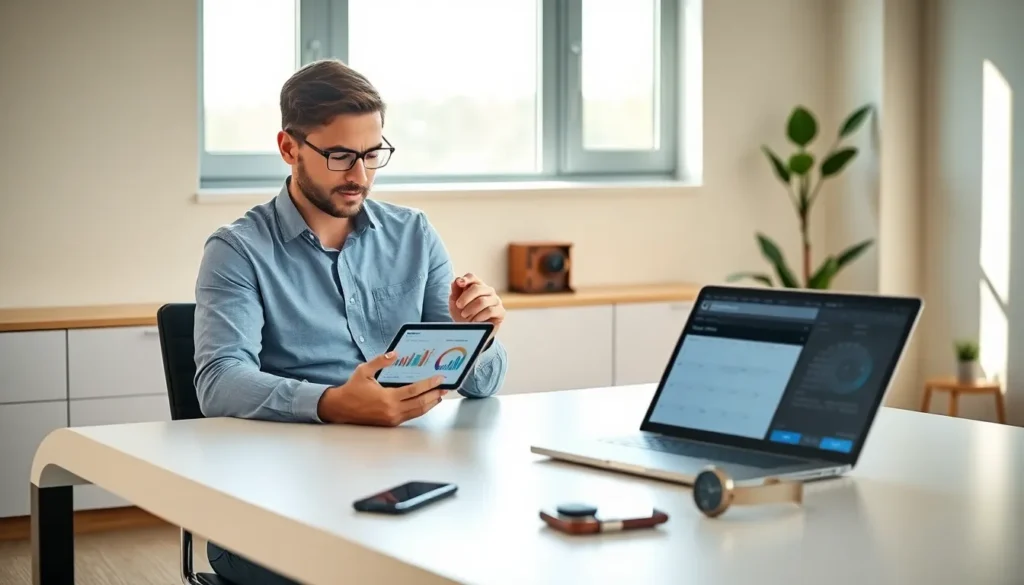

Technology in life strategies shapes how people plan, achieve, and measure their goals. Digital tools now offer more than convenience, they provide structure for personal growth. From tracking habits to managing finances, technology gives individuals a framework for intentional living.
This article explores how technology supports life strategies. It covers essential tools, practical integration steps, and the balance required to use digital resources without losing focus. Anyone looking to align their goals with modern tools will find actionable guidance here.
Table of Contents
ToggleKey Takeaways
- Technology in life strategies transforms vague goals into actionable daily tasks through apps, wearables, and digital tracking tools.
- Productivity apps like Todoist, Notion, and calendar time-blocking help you allocate your most valuable resource—time—with intention.
- Health and wellness apps provide continuous data on nutrition, exercise, sleep, and stress, enabling informed lifestyle adjustments.
- Digital minimalism and regular app audits prevent technology overload and keep your focus on tools that deliver real value.
- Start with one tool per priority area, establish consistent routines, and review progress weekly to maximize results.
- Technology amplifies effort but doesn’t replace it—define clear priorities before selecting any digital tools.
Understanding the Role of Technology in Modern Life Planning
Technology in life strategies serves as a foundation for organized, purposeful living. People once relied on paper planners and memory to track goals. Now, apps and software handle reminders, progress tracking, and even motivation.
Modern life planning involves setting clear objectives across multiple areas: career, health, relationships, and finances. Technology helps users break these large goals into smaller, manageable tasks. A project management app, for example, turns a vague ambition like “get healthier” into specific daily actions.
Digital tools also offer data. They show patterns in behavior, spending, or time use. This information allows individuals to make informed decisions rather than guessing. Someone tracking their sleep with a wearable device can see exactly how late-night screen time affects their rest.
The role of technology in life strategies extends beyond simple tracking. It creates accountability. Shared calendars, progress dashboards, and automated check-ins keep users engaged with their plans. Technology removes friction from the planning process and makes follow-through easier.
But, technology works best when paired with clear intentions. Tools amplify effort, they don’t replace it. A person must first define what matters before any app becomes useful.
Key Technologies That Support Strategic Life Goals
Several categories of technology in life strategies stand out for their direct impact on goal achievement. These tools address productivity, health, learning, and financial management.
Productivity and Time Management Tools
Productivity apps help users allocate their most valuable resource: time. Tools like Todoist, Notion, and Asana organize tasks by priority and deadline. They prevent important activities from slipping through the cracks.
Calendar apps deserve special mention. Google Calendar and Apple Calendar allow time-blocking, where users assign specific hours to specific activities. This technique forces intentional scheduling rather than reactive decision-making.
Focus apps like Forest or Freedom block distracting websites and apps during work periods. They create boundaries that protect deep work time. Studies show the average person checks their phone 96 times per day, these tools reduce that number significantly.
Note-taking apps such as Obsidian and Evernote support long-term thinking. They store ideas, research, and reflections in searchable formats. Over time, these digital libraries become personal knowledge bases.
Health and Wellness Applications
Health apps translate broad wellness goals into daily habits. MyFitnessPal tracks nutrition. Strava monitors exercise. Headspace guides meditation. Each app addresses a specific aspect of physical or mental health.
Wearable devices like Apple Watch and Fitbit provide continuous data collection. They measure steps, heart rate, sleep quality, and stress levels. This information helps users spot trends and adjust behavior.
Mental health apps have grown rapidly. Platforms like BetterHelp connect users with therapists. Mood-tracking apps like Daylio help individuals recognize emotional patterns.
The key is selecting technology that matches specific goals. Someone focused on strength training needs different tools than someone prioritizing stress reduction. Technology in life strategies works best when matched to individual priorities.
Balancing Technology Use With Intentional Living
Technology in life strategies presents a paradox. The same tools that support goals can also distract from them. Social media platforms, endless content streams, and notification alerts compete for attention.
Intentional living requires boundaries. Users must decide which technologies serve their purposes and which ones waste their time. A smartphone can be a powerful planning tool or a source of constant interruption, the difference lies in how it’s configured.
Several practices help maintain balance:
- Audit app usage regularly. Screen time reports reveal where attention actually goes. Many people discover they spend hours on apps they barely remember using.
- Turn off non-essential notifications. Each alert pulls focus away from current tasks. Reserve notifications for truly urgent matters.
- Schedule technology-free time. Meals, morning routines, and evening wind-downs benefit from device-free periods.
- Use airplane mode strategically. During focused work or quality time with others, disconnecting prevents interruption.
Digital minimalism has gained popularity as a response to technology overload. This philosophy encourages using only the tools that provide clear value. It rejects the idea that more apps equal more productivity.
Technology in life strategies should enhance human experience, not replace it. Face-to-face conversations, physical activity outdoors, and unstructured thinking time remain essential. Digital tools supplement these activities, they don’t substitute for them.
The goal is control. Users who master their technology feel empowered. Those who let technology master them feel drained.
Practical Steps to Integrate Technology Into Your Life Strategy
Integrating technology in life strategies requires a systematic approach. Random app downloads rarely produce lasting change. Intentional selection and setup make the difference.
Step 1: Define priorities. Before choosing any tool, identify the three to five areas that matter most. Career advancement? Physical fitness? Financial independence? Relationship quality? Clear priorities guide tool selection.
Step 2: Research options. Each goal category has multiple app options. Read reviews, test free versions, and ask others what works. The best app is one that gets used consistently.
Step 3: Start with one tool per area. Technology overload causes abandonment. Begin with a single app for each priority. Add more only after establishing consistent habits.
Step 4: Set up systems, not just apps. An app without a routine produces little value. Decide when and how each tool will be used. A habit tracker only works if checking it becomes automatic.
Step 5: Review progress weekly. Technology provides data, but humans must interpret it. Weekly reviews reveal what’s working and what needs adjustment. This reflection closes the feedback loop.
Step 6: Prune ruthlessly. Delete apps that don’t deliver value. Subscription fatigue wastes money and mental energy. Keep only the tools that move goals forward.
Technology in life strategies succeeds through simplicity. A few well-chosen tools, used consistently, beat dozens of forgotten downloads. The objective is progress, not app collection.