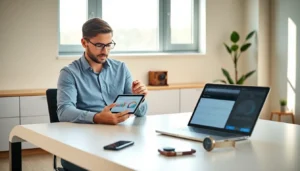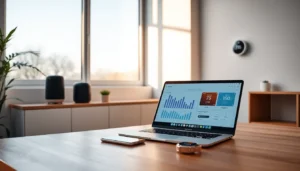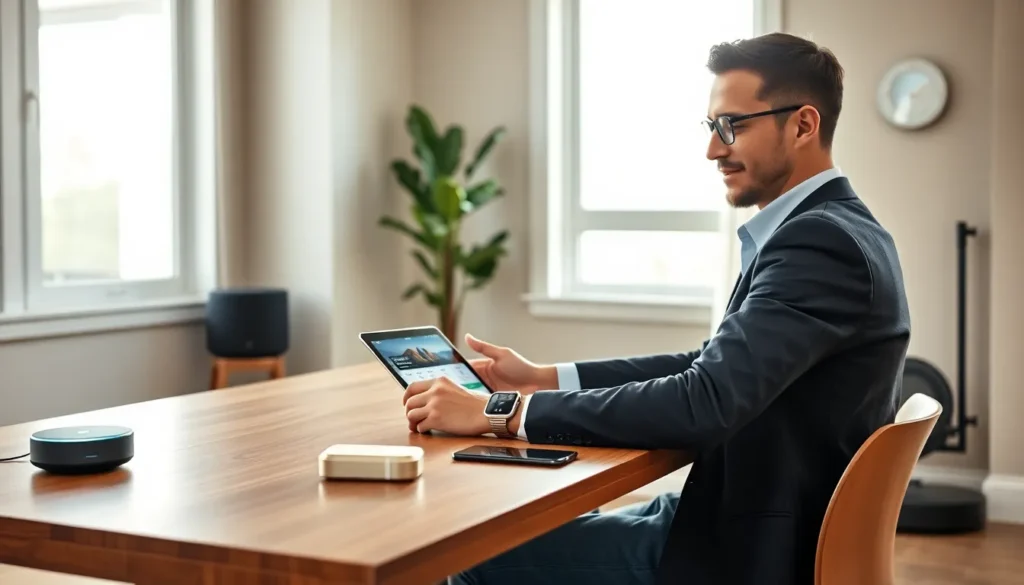

Technology in life techniques has changed how people manage their daily routines. From smart home devices to fitness trackers, modern tools save time and improve well-being. The average person now interacts with dozens of digital systems each day, often without noticing. This shift affects everything from morning alarms to evening relaxation habits.
But here’s the thing: technology works best when people use it with intention. Randomly downloading apps or buying gadgets rarely leads to lasting benefits. The real gains come from matching specific tools to specific needs. This article explores practical ways technology enhances daily living, from automating household chores to tracking health metrics. It also addresses how to maintain balance so screens don’t take over.
Table of Contents
ToggleKey Takeaways
- Technology in life techniques work best when matched to specific needs rather than adopting tools randomly.
- Smart home devices like thermostats, robot vacuums, and voice assistants can free up hours each week by automating routine tasks.
- Wearable health tech and fitness apps provide valuable data on sleep, activity, and nutrition—but should supplement professional care, not replace it.
- Productivity tools like task managers, focus apps, and cloud storage help accomplish more, though mastering fewer tools beats using many superficially.
- Setting screen time limits, managing notifications, and creating tech-free zones helps maintain a healthy balance with technology.
- The ultimate goal of technology in life techniques is to use devices purposefully as tools that serve you, not the other way around.
Streamlining Everyday Tasks With Smart Technology
Smart technology turns time-consuming chores into background processes. A programmable thermostat learns household patterns and adjusts temperatures automatically. Robot vacuums clean floors while their owners work or sleep. These technology in life techniques free up hours each week.
Smart home assistants like Amazon Alexa or Google Home handle voice commands for lights, locks, and appliances. Someone cooking dinner can set timers, play music, and check the weather without touching a device. The convenience adds up fast.
Grocery shopping has also shifted. Apps track pantry inventory and suggest shopping lists based on past purchases. Some refrigerators now scan their contents and alert users when milk runs low. This reduces food waste and saves trips to the store.
Bill payments and financial management benefit from automation too. Automatic transfers move money into savings accounts. Budgeting apps categorize spending and send alerts before accounts run dry. Technology in life techniques like these reduce stress around money management.
Even small tasks get easier. Smart plugs turn off forgotten appliances remotely. Digital calendars sync across devices and send reminders. Package tracking updates arrive automatically. Each improvement seems minor alone, but together they create significant time savings.
The key is choosing tools that address actual pain points. A household that struggles with energy bills benefits from a smart thermostat. A busy family might prioritize a shared calendar app. Technology in life techniques work best when they solve real problems rather than create new ones.
Using Technology for Health and Wellness
Health technology has moved from hospitals into homes and onto wrists. Wearable devices track steps, heart rate, sleep quality, and stress levels. This data helps people understand their bodies better than ever before.
Fitness apps provide workout guidance without gym memberships. They offer everything from yoga sequences to strength training programs. Many adjust difficulty based on user progress. Someone recovering from an injury can find modified exercises. An athlete can access advanced training plans.
Mental health support has expanded through technology in life techniques as well. Meditation apps like Headspace and Calm guide users through breathing exercises and mindfulness practices. Therapy platforms connect patients with licensed counselors via video chat. These options make mental health care more accessible.
Sleep tracking reveals patterns that users might miss otherwise. Someone might discover that late-night phone use disrupts their rest. Or that caffeine after 2 PM affects their sleep quality. Armed with this information, they can make targeted changes.
Nutrition apps simplify meal planning and calorie counting. Users scan barcodes to log food instantly. Some apps suggest recipes based on dietary goals or restrictions. This technology in life techniques approach removes guesswork from healthy eating.
Remote health monitoring helps people with chronic conditions stay stable. Diabetics use continuous glucose monitors that sync with smartphones. Blood pressure cuffs send readings directly to healthcare providers. Patients catch problems early and avoid emergency room visits.
Of course, health technology has limits. It provides data, not diagnoses. Users should share device readings with doctors rather than self-treating based on app suggestions. Technology in life techniques supplement professional care, they don’t replace it.
Digital Tools for Productivity and Time Management
Productivity software helps people accomplish more in less time. Task management apps like Todoist and Asana organize projects into manageable steps. They set deadlines, assign responsibilities, and track progress. Teams stay aligned without endless meetings.
Time tracking tools reveal where hours actually go. Many professionals discover they spend far more time on email than they realized. Or that certain tasks take twice as long as expected. This awareness drives smarter scheduling decisions.
Focus apps block distracting websites during work hours. They prevent the “quick social media check” that spirals into thirty lost minutes. Some use gamification, users earn rewards for sustained focus periods. Technology in life techniques like these fight modern attention challenges.
Note-taking apps capture ideas instantly. Evernote, Notion, and similar tools sync across devices. A thought captured on a phone during a commute appears on a laptop later. Nothing gets lost in scattered paper notebooks.
Cloud storage eliminates file management headaches. Documents live online, accessible from any device. Collaboration happens in real time, multiple people edit the same spreadsheet simultaneously. Version control saves previous drafts automatically.
Communication tools keep remote teams connected. Slack channels organize conversations by topic. Video calls replace travel for many meetings. Project updates reach everyone instantly rather than waiting for weekly check-ins.
Automation platforms connect different apps together. A new email attachment might automatically save to cloud storage and notify team members. A calendar event might trigger a preparation checklist. These technology in life techniques reduce manual busywork.
The productivity gains are real, but so is the risk of tool overload. Too many apps create confusion rather than clarity. The most productive people often use fewer tools mastered thoroughly rather than many tools used superficially.
Balancing Technology Use for a Better Life
Technology improves life when used intentionally. It harms life when used mindlessly. The difference comes down to awareness and boundaries.
Screen time tracking features show actual usage patterns. Many people underestimate how much time they spend on phones. Seeing real numbers prompts honest evaluation. Is four hours of daily social media scrolling aligned with personal values?
Digital wellness settings help enforce limits. Users can set app timers that lock access after specified periods. Bedtime modes dim screens and silence notifications. These features turn devices from attention thieves into managed tools.
Notification management reduces constant interruptions. Every buzz pulls attention away from present activities. Turning off non-essential alerts protects focus and reduces anxiety. Most messages can wait.
Tech-free zones and times create space for other activities. Some families ban phones during meals. Others designate bedrooms as device-free spaces. These boundaries protect relationships and sleep quality.
The “right” balance varies by person. A software developer legitimately spends more screen time than a construction worker. A college student researching papers needs more device access than someone on vacation. Technology in life techniques should flex with circumstances.
Mindful technology use asks one question repeatedly: “Is this serving me, or am I serving it?” Checking email to clear an inbox serves productivity. Refreshing email compulsively serves anxiety. The same tool produces different outcomes based on how someone uses it.
Children need extra guidance around technology balance. Parents can model healthy habits, set clear rules, and discuss the reasons behind limits. Kids who understand why boundaries exist follow them more willingly.
Eventually, technology in life techniques work best as servants rather than masters. The goal isn’t to use less technology or more technology. The goal is to use technology purposefully in ways that support a good life.