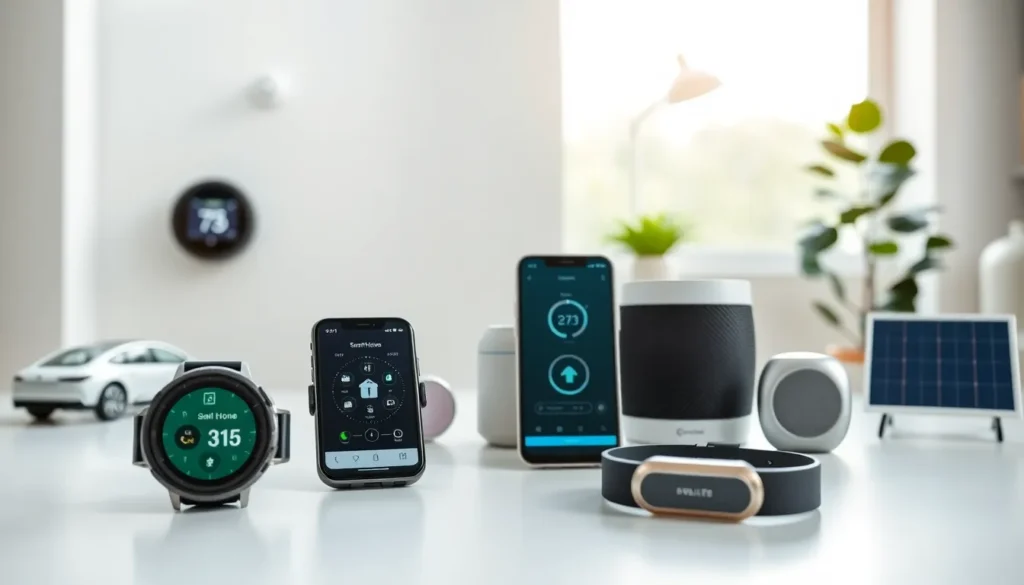

Top technology in life has changed how people work, communicate, and manage their health. From smart home devices to wearable fitness trackers, these innovations offer practical benefits that millions of people rely on daily. This article explores the most impactful technology categories that shape modern living. Readers will discover how artificial intelligence, communication tools, and sustainable tech solutions improve everyday experiences. Each section highlights specific devices and systems that deliver real value to users worldwide.
Table of Contents
ToggleKey Takeaways
- Top technology in life spans smart home devices, wearables, AI, communication tools, and sustainable solutions that improve daily routines.
- Smart thermostats and energy-efficient appliances can reduce household energy consumption by 10-15% while maintaining comfort.
- Wearable devices like smartwatches and fitness trackers monitor vital signs, track activity, and encourage healthier lifestyle habits.
- AI powers everyday tools including virtual assistants, recommendation algorithms, and translation apps that simplify tasks and break language barriers.
- 5G networks and video conferencing platforms have transformed how people communicate, work remotely, and stay connected globally.
- Sustainable technologies like electric vehicles and solar panels help eco-conscious consumers reduce their carbon footprint while saving money long-term.
Smart Home Devices Transforming Daily Routines
Smart home devices represent some of the top technology in life for homeowners and renters alike. These connected systems automate tasks that once required manual effort.
Smart thermostats like the Nest Learning Thermostat and Ecobee adjust temperatures based on user preferences and schedules. They learn household patterns over time and reduce energy consumption by 10-15% on average. Homeowners save money while maintaining comfortable living spaces.
Voice assistants such as Amazon Alexa, Google Assistant, and Apple’s Siri control multiple devices through simple spoken commands. Users can dim lights, lock doors, play music, and check weather forecasts without touching a single button. These assistants integrate with thousands of compatible products.
Smart security systems provide peace of mind through video doorbells, motion sensors, and automated locks. Ring and Arlo cameras allow homeowners to monitor their property from anywhere using smartphone apps. Real-time alerts notify users of unusual activity immediately.
Smart lighting systems from Philips Hue and LIFX offer customizable color options and scheduling features. Users can program lights to turn on at sunset or simulate occupancy while traveling. Energy-efficient LED bulbs last longer and consume less electricity than traditional options.
Robot vacuums from iRobot and Roborock handle floor cleaning automatically. These devices map home layouts and clean efficiently without human intervention. Many models empty their own dustbins and return to charging stations when battery levels drop.
Wearable Technology for Health and Fitness
Wearable technology has become essential top technology in life for health-conscious individuals. These devices track physical activity, monitor vital signs, and encourage healthier habits.
Fitness trackers from Fitbit, Garmin, and Xiaomi count steps, measure calories burned, and track sleep patterns. Users set daily goals and receive notifications when they achieve milestones. Many devices sync with smartphone apps for detailed progress reports.
Smartwatch technology has advanced significantly. The Apple Watch Series 9 includes blood oxygen monitoring, ECG readings, and fall detection. Samsung Galaxy Watch and Google Pixel Watch offer similar features with Android integration. These watches double as communication devices and fitness tools.
Continuous glucose monitors help diabetics track blood sugar levels in real time. Devices from Dexcom and Abbott eliminate the need for frequent finger pricks. Users receive alerts when glucose levels become too high or too low.
Smart rings like the Oura Ring provide sleep tracking and readiness scores in a compact form factor. Athletes and wellness enthusiasts appreciate the unobtrusive design. These rings measure heart rate variability, body temperature, and activity levels.
Hearing aids have evolved into sophisticated wearable computers. Modern devices from Phonak and Starkey connect to smartphones via Bluetooth. Users stream phone calls, music, and podcasts directly to their hearing aids.
Artificial Intelligence in Everyday Applications
Artificial intelligence powers many of the top technology in life applications that people use daily. AI systems learn from data and improve their performance over time.
Virtual assistants rely on natural language processing to understand and respond to user requests. Siri, Alexa, and Google Assistant answer questions, set reminders, and control smart devices. These AI systems become more accurate as they process more interactions.
Recommendation algorithms shape what people watch, listen to, and buy. Netflix suggests shows based on viewing history. Spotify creates personalized playlists that match user preferences. Amazon recommends products based on browsing and purchase patterns.
AI-powered photo editing tools automatically enhance images. Google Photos identifies faces and organizes pictures by people, places, and dates. Adobe Lightroom uses machine learning to suggest adjustments and remove unwanted objects.
Translation apps break down language barriers instantly. Google Translate and DeepL convert text and speech between dozens of languages. Travelers communicate more easily in foreign countries thanks to these AI tools.
Email services use AI to filter spam and prioritize important messages. Gmail’s Smart Reply suggests quick responses to incoming emails. Outlook identifies action items and schedules follow-up reminders automatically.
Chatbots handle customer service inquiries on websites and messaging platforms. These AI systems answer common questions and route complex issues to human agents. Businesses save time and money while customers receive faster responses.
Communication Technology Connecting the World
Communication technology remains among the top technology in life for personal and professional connections. Modern tools enable instant contact across vast distances.
5G networks deliver faster download speeds and lower latency than previous generations. Users stream high-definition video, play online games, and conduct video calls without buffering. Major carriers continue expanding 5G coverage to rural areas.
Video conferencing platforms transformed how people work and socialize. Zoom, Microsoft Teams, and Google Meet became essential during the pandemic. These platforms support virtual meetings, webinars, and remote collaboration for millions of users.
Messaging apps like WhatsApp, Telegram, and Signal provide free text, voice, and video communication. End-to-end encryption protects user privacy on many platforms. Group chats keep families, friends, and teams connected across time zones.
Social media platforms connect billions of users worldwide. Facebook, Instagram, TikTok, and X (formerly Twitter) enable content sharing and community building. Creators build audiences and businesses reach customers through these channels.
Collaboration tools improve team productivity. Slack and Discord organize conversations into channels for different topics. Notion and Asana help teams manage projects and track progress. These platforms integrate with other software to streamline workflows.
Cloud storage services like Google Drive, Dropbox, and iCloud allow file access from any device. Users share documents, photos, and videos with colleagues and family members. Automatic syncing ensures the latest versions remain available everywhere.
Sustainable Technology for a Greener Future
Sustainable technology addresses environmental concerns while delivering practical benefits. These innovations represent top technology in life for eco-conscious consumers.
Electric vehicles from Tesla, Rivian, and traditional automakers reduce dependence on fossil fuels. EV sales grew 35% globally in 2023. Improved battery technology extends driving range and shortens charging times. Many governments offer tax incentives for EV purchases.
Solar panels generate clean electricity for homes and businesses. Installation costs have dropped 70% over the past decade. Battery storage systems from Tesla Powerwall and Enphase store excess energy for nighttime use. Homeowners reduce utility bills while lowering their carbon footprint.
Smart power strips eliminate phantom energy drain from idle electronics. These devices detect when equipment enters standby mode and cut power completely. Users save electricity without unplugging devices manually.
Water-saving technology helps households conserve this precious resource. Smart irrigation systems adjust watering schedules based on weather forecasts and soil moisture. Low-flow showerheads and faucet aerators reduce water usage without sacrificing performance.
Energy-efficient appliances carry ENERGY STAR certification and consume less electricity than standard models. Modern refrigerators, dishwashers, and washing machines deliver better performance while using fewer resources. These appliances often pay for themselves through lower utility bills.